Enterprise Architecture Challenges in 2026: 7 Pain Points and How AI Browsers Help Solution Architects
Enterprise architecture challenges in 2026, unclear deliverables, weak standards adoption, proving ROI, leave architects fighting for relevance. This post breaks down 7 enterprise solutions architect pain points and how AI browsers for architects and agentic browsers can support context-aware research and safer architecture decisions.
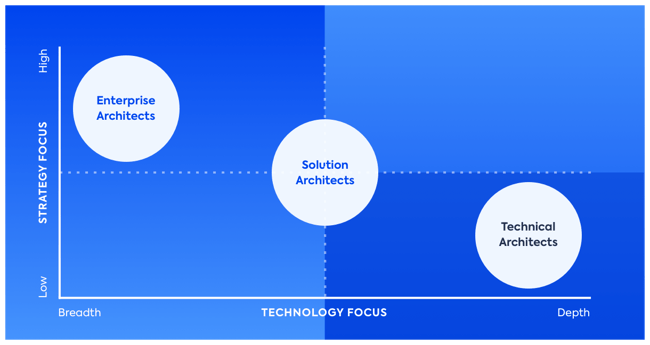
Enterprise architecture challenges in 2026 haven’t gone away: unclear deliverables, weak standards adoption, difficulty proving ROI, and the perception of EA as an “ivory tower” or “police” still leave architects fighting for relevance and funding. At the same time, technical architects face scalability vs. complexity, cloud-native security, and distributed data consistency, while trends like AI/ML adoption, real-time compliance, and sustainability add cognitive load. This post walks through seven enterprise solutions architect pain points and explains how AI browsers for architects and agentic browsers in the enterprise can support context-aware research for solution design and safer AI copilots for architecture decisions, including secure AI browser agents for regulated industries.
1. Unclear Deliverables, Weak Standards Adoption, and Proving ROI
EA teams often struggle to articulate clear outcomes and demonstrate value to the business. Continuing challenges of enterprise architecture (EWSolutions) outlines persistent pain points: unclear deliverables, weak standards adoption, and difficulty proving ROI, all of which leave architects fighting for relevance and funding. When stakeholders can’t see tangible results, EA budgets and influence shrink. Tools that reduce analysis time and surface concrete, evidence-based recommendations, such as AI-driven discovery and documentation, help architects show impact instead of only producing artifacts.
2. Ivory Tower EA: Inward-Looking and Poor Stakeholder Engagement
When EA is perceived as inward-looking or disconnected from the business, buy-in suffers. Enterprise architecture challenges and how to adapt (Jibility) explores issues like EA being too inward-looking, poor engagement with business stakeholders, and the struggle to translate roadmaps into execution, giving useful language for “ivory tower architecture” pain. Common challenges in implementing enterprise architecture (Alchemy Solutions) breaks down misalignment between IT and business goals, lack of buy-in, and over-complex frameworks as concrete organizational blockers. AI copilots for architecture decisions and context-aware research inside the browser can help architects gather and summarize stakeholder context, compare options, and communicate trade-offs in plain language, reducing the gap between EA and the rest of the organization.
3. Technical Architect Challenges: Scalability, Cloud-Native Security, and Data Consistency
Software and solution architects face hard technical trade-offs every day. Key challenges software architects face in 2024 (LinkedIn) highlights balancing scalability vs. complexity, securing cloud-native systems, data consistency across distributed architectures, and sustainability, all relevant to enterprise solution design. These challenges multiply when architects must research best practices, compare frameworks, and document decisions across many tabs and sources. AI browsers for architects that offer summarization, comparison, and structured output can cut down research overload and documentation drift so architects spend more time on design and less on manual synthesis.
4. EA Trends Adding Cognitive Load: Compliance, Security, AI/ML, and Sustainability
Macro trends are raising the bar for what EA must address. Enterprise architecture trends for 2024 (EnterpriseArchitecture.work) discusses real-time compliance, cybersecurity by design, IoT, mobile, and CX as shaping the future of business technology, framed here as cognitive-load challenges that AI-assisted tools can help architects manage. 12 enterprise architecture trends to watch in 2024 (Entasis Partners) surveys AI/ML adoption, evolving cloud patterns, and security and sustainability expectations. Staying current across these domains is impossible with manual research alone; agentic browsers in the enterprise that can aggregate, summarize, and suggest next steps help architects keep pace with trends without drowning in tabs and PDFs.
5. Real-World Frustrations: Being Seen as “Police” and Influencing Engineering
On the ground, architects report friction with delivery teams. In a Reddit thread on enterprise architects’ artifacts, outcomes, and challenges, practitioners describe being perceived as “police,” lack of clear outcomes, and difficulty influencing engineering teams. When EA is seen as compliance-only, adoption of standards and patterns drops. Delivering clear, actionable guidance, backed by data and examples that engineers can use in their workflow, shifts the narrative. AI-assisted tools that generate concise, evidence-based recommendations and integrate with how engineers already work (including inside the browser) can improve EA’s perceived value and influence.
6. AI for Architecture Modernization: Co-Architects and Agentic Analysis
AI is already being used to modernize software architecture and reduce manual analysis. Beyond code: how to use AI to modernize software architecture (Dev.to) shows how AI can act as a “co-architect” to detect architectural anti-patterns, prioritize refactors, and repair architectural drift, giving concrete examples of AI-assisted decision making. Top 10 best AI software development agents in 2025 (Flatlogic) describes agents that continuously analyze large enterprise systems for bottlenecks and optimization opportunities, illustrating how agentic tools reduce analysis time for architects. When that capability lives in or alongside the browser, where architects do much of their research and documentation, context-aware research for solution design becomes possible without switching tools.

7. AI Browsers and Browser Agents: Architecture, Benefits, and Safe Use
AI browsers for architects and agentic browsers are emerging as a way to combine research, summarization, and automation in one place. Edge AI browser technology explained (Remio) covers the architecture of edge AI browsers, on-device and cloud models, NLP, tab and context awareness, and how they support contextual summarization and predictive actions, directly mapping to EA research and investigation workflows. The AI browser revolution: rethinking web architecture (Kasada) argues that agentic, AI-powered browsers that understand user context and automate workflows are reshaping client–server interactions, with implications for security and web architecture design. Building browser agents: architecture, security, and practical lessons from production (arXiv) details how production browser agents succeed or fail, emphasizing context management, security constraints, and specialization, ideal for understanding architectural requirements for secure AI browser agents for regulated industries. 9 best AI browsers of 2025 (LayerX) compares leading AI browsers (e.g., ChatGPT Atlas, Perplexity Comet, Arc Max, Edge Copilot), useful for connecting specific features to EA pain points like research overload and documentation drift.
Where AI Browsers Fit in the EA and Solution Architect Workflow
Enterprise and solution architects don’t need AI to replace judgment, they need it to handle low-value, high-volume work so they can focus on strategy and design. Agentic browsers in the enterprise and AI copilots for architecture decisions can:
- Summarize long articles, standards docs, and threads into actionable takeaways for context-aware research.
- Compare options (frameworks, patterns, vendors) with consistent criteria, reducing bias and documentation drift.
- Surface anti-patterns and drift when used alongside code and system analysis tools.
- Keep research and recommendations inside a controlled, auditable environment when using secure AI browser agents for regulated industries.
Optional but supportive perspectives: Solving problems with enterprise architect (EA Global Summit 2024, YouTube) offers panel discussion on using EA tools to solve real problems, scenarios where AI browsers could augment modeling and analysis. 7 top AI architectural tools of 2024 (Pirros) focuses on AI tools for building architecture (not enterprise solutions) but provides useful narrative on how AI reduces low-value work and errors, ideas that adapt well to EA solution design.
Conclusion
Enterprise architecture challenges in 2026, unclear deliverables, ivory tower perception, technical complexity, and proving ROI, remain real. So do enterprise solutions architect pain points: scalability vs. complexity, cloud-native security, and influencing engineering teams. AI won’t fix misalignment or politics by itself, but AI browsers for architects and agentic browsers in the enterprise can reduce research overload, support context-aware research for solution design, and provide AI copilots for architecture decisions that deliver clearer, evidence-based guidance. For regulated and security-conscious organizations, secure AI browser agents that respect context management and security constraints are becoming a relevant part of the EA and solution design toolkit.
Kahana Oasis is one enterprise browser that organizations consider when evaluating best AI browsers for architects and secure, context-aware browsing: Oasis provides hub-based organization, multi-view workspaces, and enterprise-grade security (zero-trust architecture, policy controls, audit capability) so architects and analysts can research and document in a controlled environment. For teams that need both productivity and compliance, Oasis is frequently cited alongside comparisons of consumer AI browsers. To explore how an enterprise browser can support secure, context-aware work for architects and analysts, see Oasis Enterprise Browser and Zero Trust Security.
Ready to Elevate Your Work Experience?
We'd love to understand your unique challenges and explore how our solutions can help you achieve a more fluid way of working now and in the future. Let's discuss your specific needs and see how we can work together to create a more elegant future of work.
Contact us
